
Post
Fidget Spinner Design: 10 Powerful Innovations Shaping Modern Spinners
May
Introduction: From Simple Toy to Precision-Crafted Tool
The fidget spinner has undergone one of the most fascinating transformations in modern consumer culture. What initially appeared to be a simple spinning toy quickly evolved into a sophisticated product category that combines engineering, craftsmanship, sensory design, and productivity enhancement. Today, modern fidget spinners are no longer viewed merely as novelty gadgets. They are now recognized as premium tools for focus, stress relief, creativity, and personal expression.
The evolution of modern fidget spinner design reflects broader changes in technology, manufacturing capabilities, workplace culture, and consumer expectations. As users became more knowledgeable and demanding, manufacturers responded by introducing advanced materials, precision engineering techniques, ergonomic improvements, and artistic innovations that dramatically elevated Fidget Spinner quality and performance.
Modern Fidget Spinner now occupy a unique position between productivity tools, collectibles, mechanical art, and everyday carry accessories. Their development demonstrates how even the simplest objects can evolve into highly refined products when driven by passionate communities and continuous innovation.
Understanding the evolution of the modern fidget spinner design helps explain why these devices continue attracting enthusiasts, professionals, students, and collectors around the world.
The Early Origins of Fidget Spinner Design
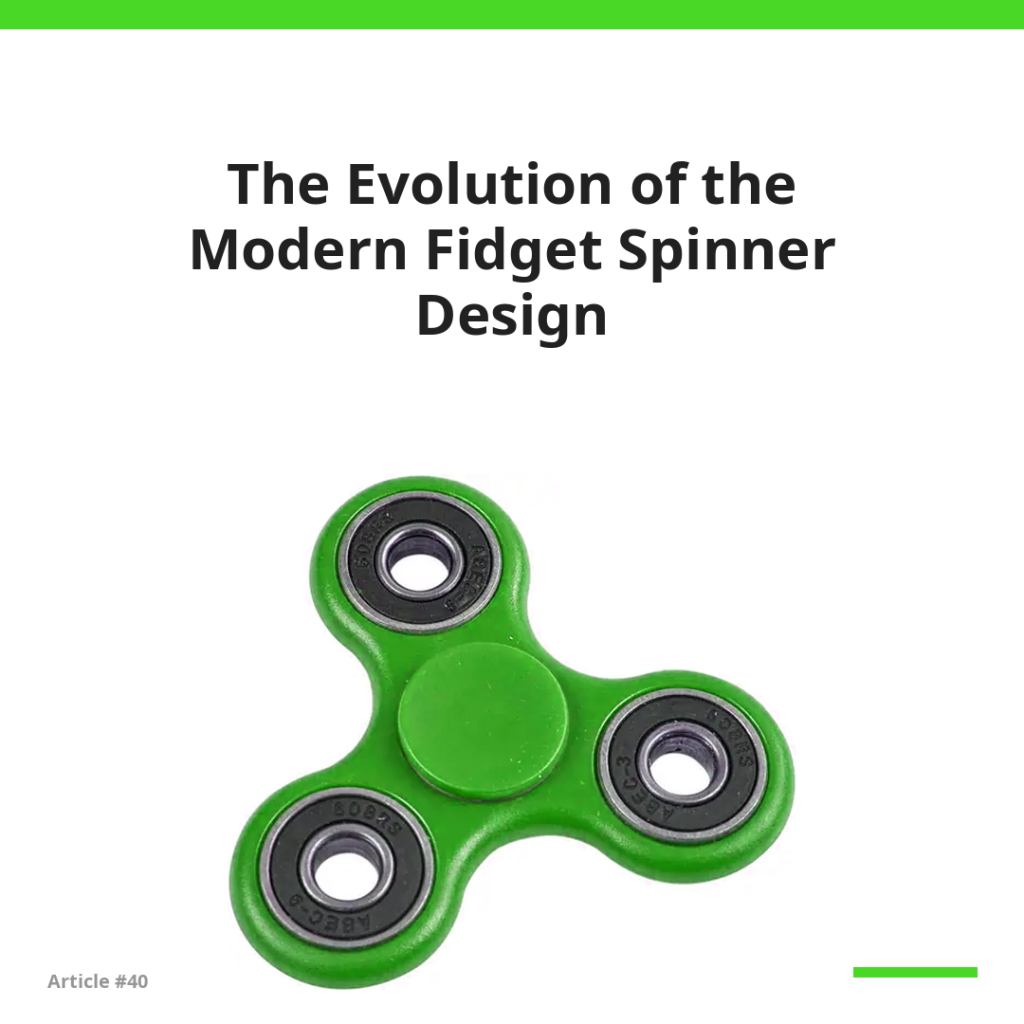
Before premium Fidget Spinner existed, early spinner concepts were relatively basic. Initial designs focused almost entirely on functionality rather than craftsmanship or aesthetics.
Most early fidget spinners shared several characteristics:
- Lightweight plastic construction
- Simple tri-spinner layouts
- Standard steel bearings
- Bright colors and toy-like appearances
- Mass production methods
- Minimal ergonomic refinement
The primary goal was affordability and accessibility rather than long-term durability or premium user experience.
During the initial popularity explosion, millions of inexpensive plastic spinners flooded global markets. These early models introduced many people to the calming and entertaining nature of spinning motion, but they also revealed clear limitations in quality, balance, noise, and longevity.
As the novelty phase faded, a dedicated enthusiast community began seeking something more sophisticated.
The Shift Toward Premium Materials
One of the most significant milestones in spinner evolution was the transition from cheap plastic to premium metals and advanced materials.
Users quickly realized that material choice dramatically affected:
- Spin smoothness
- Weight distribution
- Tactile satisfaction
- Durability
- Noise levels
- Overall performance
This realization transformed the industry completely.
Stainless Steel and Aluminum
The first major upgrades involved stainless steel and aluminum spinners. These materials introduced a more premium feel while improving rotational balance and durability.
Stainless steel became popular because it provided:
- Excellent weight balance
- Corrosion resistance
- Smooth rotational momentum
- Long-term durability
Aluminum appealed to users seeking lighter spinners with modern aesthetics and anodized color options.
These materials helped elevate spinners from disposable toys into serious everyday carry items.
Brass and Copper Enter the Market
As enthusiasts became more sophisticated, brass and copper spinners emerged as premium favorites.
These metals offered:
- Greater weight and momentum
- Warm tactile feel
- Rich visual aesthetics
- Unique patina development over time
Brass spinners especially became symbols of luxury and craftsmanship within enthusiast communities. Their aging process added personality and emotional value that plastic products could never replicate.
Copper spinners gained attention for their dense weight and distinctive reddish appearance, while titanium eventually became the ultimate premium material due to its strength, rarity, and refined feel.
Advances in Bearing Technology
The bearing is the heart of every fidget spinner, and improvements in bearing technology played a major role in modern spinner evolution.
Early Bearing Limitations
Initial spinners often used low-cost steel bearings with inconsistent manufacturing quality. These bearings frequently suffered from:
- Grinding noise
- Uneven spinning
- Short spin times
- Poor durability
- Frequent maintenance issues
As user expectations increased, manufacturers invested heavily in higher-quality bearing systems.
Ceramic and Hybrid Bearings
Premium ceramic bearings transformed spinner performance.
Compared to traditional steel bearings, ceramic options provided:
- Smoother rotation
- Reduced friction
- Quieter operation
- Longer spin duration
- Improved resistance to corrosion
Hybrid bearings combining ceramic balls with steel races became especially popular because they balanced smoothness, durability, and affordability.
These improvements made modern spinners significantly more refined and office-friendly.
Precision Tuning and Customization
Modern enthusiasts now customize bearings based on personal preferences.
Some users prioritize:
- Maximum spin time
- Quiet operation
- Strong tactile feedback
- Faster acceleration
- Resistance patterns
This level of personalization reflects how sophisticated spinner culture has become.
The Evolution of Spinner Shapes and Form Factors
Modern spinner design has also evolved dramatically in terms of shape and ergonomics.
Traditional Tri-Spinner Designs
The original tri-spinner layout became iconic because of its balanced symmetry and ease of use. Three evenly weighted arms created stable rotation and beginner-friendly performance.
However, as designers experimented further, entirely new form factors emerged.
Bar Spinners
Bar spinners simplified the design into two weighted ends connected by a central body.
These designs offered:
- Improved portability
- Faster spinning speed
- Cleaner aesthetics
- Enhanced trick performance
Many professionals preferred bar spinners because of their minimalist appearance and pocket-friendly size.
Ring and Circular Designs
Ring spinners introduced continuous circular frames that improved grip comfort and rotational fluidity.
These designs often emphasized:
- Smooth finger rolling
- Quiet operation
- meditative spinning experiences
- ergonomic comfort during long sessions
Circular designs became especially popular among users focused on stress relief and relaxation.
Asymmetrical and Experimental Designs
As the hobby matured, artisan creators began exploring asymmetrical and unconventional shapes.
These experimental spinners focused on:
- Unique rotational physics
- Visual effects
- advanced trick mechanics
- artistic individuality
Limited-edition designs turned many spinners into collectible mechanical sculptures rather than purely functional tools.
Ergonomics and Human-Centered Design
Modern spinner design increasingly emphasizes ergonomics and user comfort.
Manufacturers now carefully consider:
- Finger grip shape
- Weight balance
- edge smoothness
- tactile textures
- hand fatigue reduction
Comfort matters significantly because many users engage with spinners for extended periods during work, study, or relaxation.
Rounded edges, precision-machined buttons, and textured surfaces all contribute to a more satisfying tactile experience.
Human-centered design has become a defining feature of premium modern spinners.
The Rise of CNC Machining and Precision Manufacturing
One of the most important developments in spinner evolution was the adoption of CNC machining technology.
What CNC Machining Changed
Computer Numerical Control (CNC) machining allowed manufacturers to create spinners with extraordinary precision.
Benefits included:
- Perfect symmetry
- Tight tolerances
- smoother finishes
- complex geometries
- consistent quality control
This level of precision dramatically improved balance and rotational performance.
Modern enthusiasts often evaluate spinners based on machining quality in the same way watch collectors analyze luxury timepieces.
Artisan Manufacturing and Small-Batch Production
CNC technology also enabled small independent makers to enter the market.
Artisan manufacturers began producing:
- Limited-edition spinners
- Custom engraved designs
- experimental geometries
- premium hybrid materials
- hand-finished surfaces
This movement transformed spinner culture into a blend of engineering, craftsmanship, and collectible artistry.
Integration Into Everyday Carry (EDC) Culture
As spinner design evolved, these devices became integrated into the broader Everyday Carry (EDC) movement.
Modern users began viewing spinners similarly to:
- Premium watches
- Mechanical keyboards
- Pocket knives
- Pens
- Flashlights
- luxury desk accessories
This shift encouraged manufacturers to create more sophisticated and visually refined designs suitable for professional environments.
Modern spinners now often feature minimalist aesthetics that complement modern office setups and EDC collections.
Functional Evolution Beyond Entertainment
Modern spinner design increasingly focuses on functionality rather than novelty.
Today’s premium spinners are commonly used for:
- Stress reduction
- Focus enhancement
- Anxiety management
- Meditation support
- Creative thinking
- productivity improvement
This functional evolution has helped spinners gain acceptance among professionals, students, and creatives worldwide.
The spinner is no longer simply a toy — it has become a personal sensory tool integrated into daily routines and productivity systems.
Community Influence on Design Innovation
The spinner community itself has played a major role in driving innovation.
Enthusiasts regularly share feedback about:
- bearing preferences
- weight distribution
- materials
- ergonomics
- finishes
- spin dynamics
Manufacturers respond quickly to community demand, leading to rapid design evolution and continuous experimentation.
Online communities, reviews, and collector groups have accelerated the exchange of ideas across the global spinner industry.
The Future of Modern Fidget Spinner Design
The evolution of spinner design continues today.
Future trends may include:
- Advanced hybrid materials
- Magnetic spinning systems
- Modular customization
- Smart sensory integration
- Sustainable manufacturing
- Ultra-precision bearings
- AI-assisted ergonomic optimization
As consumer interest in mindfulness, productivity, and tactile wellness grows, spinners are likely to continue evolving alongside broader lifestyle and technology trends.
The industry increasingly values quality over mass production, suggesting that future designs will become even more specialized and refined.
Conclusion: A Remarkable Design Evolution
The evolution of the modern fidget spinner design reflects far more than changing consumer trends. It represents the transformation of a simple object into a sophisticated fusion of engineering, sensory experience, craftsmanship, and personal expression.
From cheap plastic tri-spinners to precision-machined titanium collectibles, modern spinners have undergone extraordinary refinement in materials, ergonomics, bearings, aesthetics, and functionality.
Today’s premium fidget spinners are valued not only for entertainment, but also for their ability to improve focus, reduce stress, support creativity, and provide satisfying tactile engagement in increasingly demanding modern environments.
The continued innovation within the spinner community demonstrates how passionate users and skilled manufacturers can elevate even the simplest everyday object into something meaningful, beautiful, and enduring.
As technology and craftsmanship continue advancing, the future of modern fidget spinner design appears brighter, more refined, and more innovative than ever before.
