
Post
Fidget Spinner Buying Guide for Beginners
May
 Fidget Spinner Buying Guide for Beginners
 Fidget Spinner Buying Guide for Beginners
Introduction: Why Fidget Spinners Are More Than Just Toys
In today’s increasingly demanding and fast-moving world, stress management and focus enhancement have become essential parts of daily life. Students, office workers, designers, programmers, and even executives constantly search for simple tools that can help maintain concentration while reducing anxiety during long work sessions. One product that has gained massive popularity for fulfilling this role is the fidget spinner.
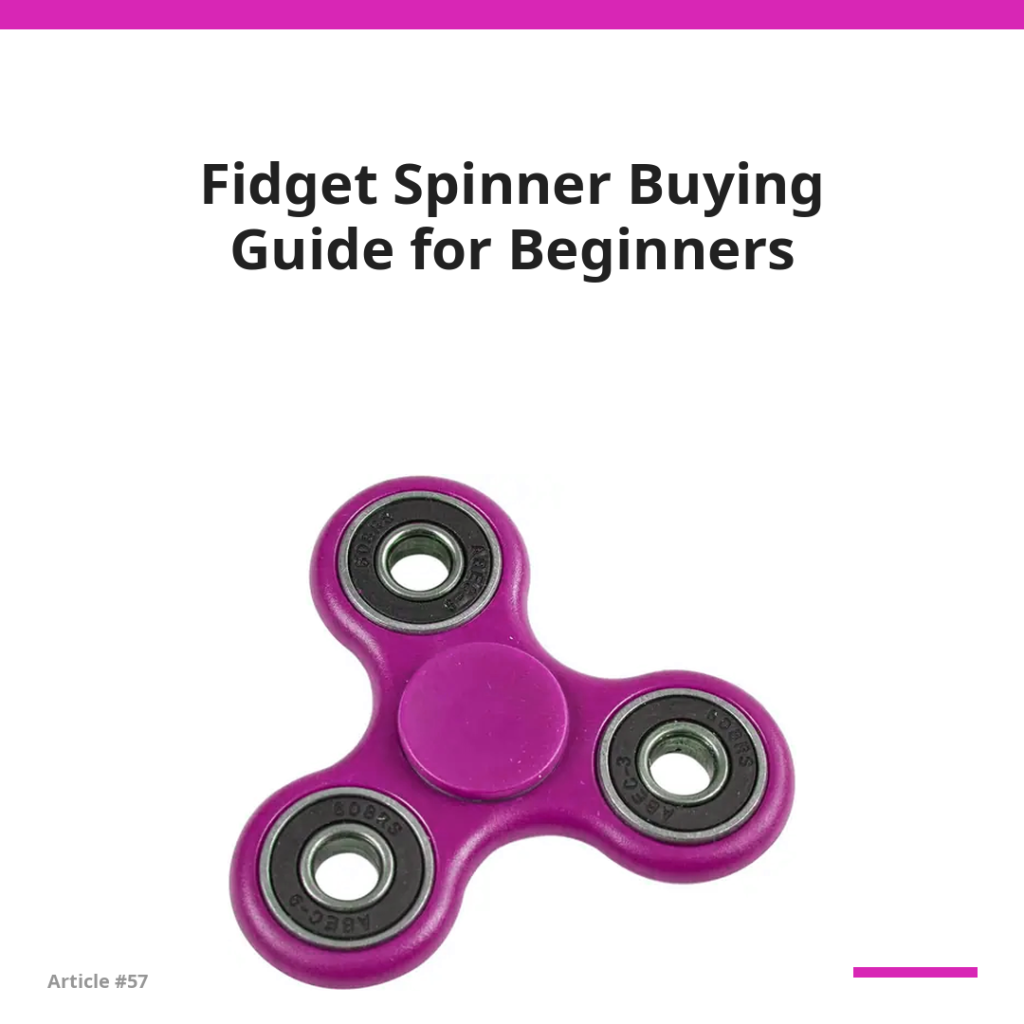
A fidget spinner is a small handheld device designed to rotate smoothly around a central bearing. While it may appear simple at first glance, modern spinners come in countless designs, materials, and performance levels. For beginners entering the hobby, choosing the right spinner can feel overwhelming because the market is flooded with options ranging from cheap plastic models to premium handcrafted metal pieces.
This complete beginner’s guide will help you understand everything you need to know before buying your first fidget spinner. From materials and bearing types to design choices and maintenance tips, this guide covers the essential factors that will help you make a smart purchasing decision and enjoy a satisfying long-term experience.
Understanding How Fidget Spinners Work
At its core, a fidget spinner operates using a central bearing that allows the outer body to rotate freely with minimal friction. The smoother the bearing and the better the balance of the spinner, the longer and more stable the spin becomes.
The basic structure usually includes:
- A central bearing
- Two or more weighted arms
- A body frame
- Finger caps for grip and comfort
When spun with the fingers, centrifugal force keeps the spinner rotating. Higher-quality models provide smoother rotation, less wobble, quieter performance, and longer spin times.
For beginners, understanding this simple mechanism helps explain why some spinners cost only a few dollars while others can cost significantly more due to engineering quality and premium materials.
Choosing the Right Material
One of the most important decisions when buying a Fidget Spinner is selecting the material. Different materials affect weight, durability, balance, feel, and spinning characteristics.
Plastic Fidget Spinner
Plastic models are the most affordable and beginner-friendly options. They are lightweight, colorful, and widely available. Many beginners start with plastic because they are inexpensive and easy to replace.
Advantages:
- Affordable price
- Lightweight design
- Great for children and casual users
- Wide variety of colors
Disadvantages:
- Less durable
- Shorter spin times
- Lower premium feel
Plastic spinners are excellent entry-level choices, especially if you are still discovering your preferences.
Aluminum Fidget Spinner
Aluminum offers a balanced combination of affordability and quality. These spinners are stronger than plastic while remaining lightweight enough for everyday carrying.
Advantages:
- Durable construction
- Smooth spinning experience
- Lightweight portability
- Better balance
Disadvantages:
- Can scratch over time
- Less premium weight compared to brass or stainless steel
Many experienced users recommend aluminum as the best starting point for serious beginners.
Stainless Steel Fidget Spinner
Stainless steel spinners are among the most popular premium options because they provide excellent durability and satisfying weight.
Advantages:
- Long-lasting durability
- Premium feel
- Stable spinning
- Corrosion resistance
Disadvantages:
- Heavier than plastic or aluminum
- Higher price range
The extra weight creates a more controlled and satisfying spinning sensation that many enthusiasts prefer.
Brass and Copper Fidget Spinner
Brass and copper spinners are loved for their luxurious appearance and unique aging process called patina. Over time, these metals develop character and distinctive color variations.
Advantages:
- Beautiful appearance
- Heavy and smooth feel
- Develops unique patina
- Excellent momentum
Disadvantages:
- Expensive
- Requires occasional polishing
- Heavier for pocket carry
Collectors and enthusiasts often gravitate toward brass and copper because each spinner becomes visually unique with use.
Understanding Bearing Types
The bearing is the heart of every spinner. It directly affects smoothness, sound, speed, and spin duration.
Steel Bearings
Steel bearings are common and reliable. They are durable and require relatively little maintenance.
Benefits:
- Affordable
- Durable
- Quiet operation
- Beginner-friendly
These bearings are ideal for users seeking consistency and reliability.
Ceramic Bearings
Ceramic bearings are considered premium components because they reduce friction and improve spin performance.
Benefits:
- Longer spin times
- Faster rotation
- Rust resistance
- Smooth performance
However, ceramic bearings can sometimes produce more noise and require careful maintenance.
For most beginners, high-quality steel bearings provide the best balance between performance and ease of use.
Selecting the Best Spinner Shape
Spinner design affects comfort, stability, and tricks.
Two-Arm Spinners
These are minimalist and balanced. They tend to spin longer due to reduced air resistance.
Best for:
- Everyday carry
- Quiet environments
- Long spin duration
Three-Arm Spinners
The classic three-arm design became the most recognizable spinner style worldwide.
Best for:
- Beginners
- Stability
- Easy control
Three-arm models are often the safest starting point because they feel natural and balanced.
Bar Spinners
Bar spinners use a linear shape instead of multiple arms. Many enthusiasts prefer them for their smooth feel and elegant design.
Best for:
- Advanced users
- Pocket carry
- Precision spinning
Spin Time vs Real-World Experience
Many advertisements focus heavily on spin time, claiming several minutes of continuous spinning. While spin time matters, it should not be your only priority.
A spinner with:
- Good balance
- Comfortable grip
- Smooth feedback
- Pleasant sound
- Quality craftsmanship
often provides a better overall experience than a spinner designed purely for maximum duration.
Beginners sometimes mistakenly chase extreme spin times while ignoring comfort and usability. A well-balanced spinner that feels enjoyable in your hand is usually more valuable than one that simply spins the longest.
Noise Levels and Everyday Use
Different bearings and materials create different sound profiles.
Some users enjoy:
- Mechanical clicking
- Metallic humming
- Audible ceramic vibrations
Others prefer:
- Silent operation
- Smooth quiet spinning
- Minimal vibration
If you plan to use your spinner in classrooms, offices, libraries, or meetings, quieter steel-bearing spinners are generally better choices.
Budget Considerations for Beginners
One of the biggest beginner mistakes is overspending immediately without understanding personal preferences first.
Entry-Level Budget ($5–$20)
Good for:
- First-time users
- Casual experimentation
- Learning preferences
You can find many solid aluminum or plastic spinners within this range.
Mid-Range Budget ($20–$60)
This category often delivers the best balance between quality and value.
Features may include:
- CNC-machined construction
- Better bearings
- Premium materials
- Improved balance
Many enthusiasts believe the mid-range market offers the best overall experience.
Premium and Collector Spinners ($100+)
These spinners focus heavily on craftsmanship, rare materials, precision engineering, and collectible value.
They are ideal for:
- Dedicated enthusiasts
- Collectors
- Long-term hobbyists
However, beginners should usually avoid starting at this level until they better understand their preferences.
Maintenance Tips for Long-Term Performance
Proper maintenance dramatically extends spinner lifespan and preserves performance.
Regular Cleaning
Dust and dirt can enter bearings over time, reducing smoothness.
Basic cleaning steps:
- Remove the bearing if possible
- Use compressed air
- Apply bearing cleaner carefully
- Let dry completely
Avoid Water Exposure
Even rust-resistant bearings can degrade when exposed to moisture repeatedly.
Store your spinner:
- In dry environments
- Away from humidity
- Inside protective cases if possible
Check for Loose Components
Over time, finger caps and screws may loosen.
Regularly inspect:
- Caps
- Bearings
- Screws
- Frame integrity
This prevents wobbling and uneven spinning.
Common Mistakes Beginners Should Avoid
Buying Extremely Cheap Spinners
Ultra-cheap models often suffer from:
- Poor balance
- Weak bearings
- Rough edges
- Short lifespan
Spending slightly more usually improves the experience dramatically.
Ignoring Comfort
A spinner may look attractive online but feel uncomfortable during extended use.
Always consider:
- Edge smoothness
- Weight balance
- Finger comfort
- Pocket portability
Chasing Hype Instead of Quality
Some trendy spinners gain popularity through marketing rather than actual performance. Reading community reviews and user feedback helps avoid disappointing purchases.
The Role of the Spinner Community
The global spinner community remains one of the most enjoyable parts of the hobby. Enthusiasts regularly share:
- Reviews
- Maintenance guides
- Custom modifications
- New releases
- Spinning techniques
Online communities help beginners learn faster while discovering trusted brands and hidden gems within the market.
Many long-term users say the social aspect enhances the hobby as much as the spinning itself.
Why Quality Matters Over Time
A well-made spinner can last for years. Over time, users often develop emotional attachment to favorite pieces because they become part of daily routines, study sessions, work habits, and stress-relief rituals.
High-quality spinners provide:
- Better consistency
- More satisfying feel
- Greater durability
- Enhanced long-term value
Rather than constantly replacing cheap models, investing in one reliable spinner often creates a better overall experience.
Final Thoughts
Entering the world of fidget spinners can be exciting, especially once you understand the differences between materials, bearings, designs, and performance characteristics. Beginners should focus first on comfort, balance, and build quality instead of simply chasing expensive or trendy products.
The best starter spinner is one that:
- Feels comfortable
- Spins smoothly
- Fits your lifestyle
- Matches your budget
- Encourages long-term enjoyment
As your experience grows, your preferences will naturally evolve, leading you toward different materials, shapes, and premium designs. Whether you use a spinner for stress relief, focus improvement, collecting, or simple enjoyment, choosing thoughtfully ensures a satisfying and rewarding experience for years to come.
