
Post
Metal Fidget Spinner: 7 Powerful Cleaning Tips for Long-Lasting Performance
May
Introduction: Why Proper Spinner Maintenance Matters
Metal fidget spinners are more than simple desk toys. For many enthusiasts, they are precision-crafted tools designed to improve focus, reduce stress, and provide satisfying tactile experiences throughout the day. High-quality metal Fidget Spinner made from brass, stainless steel, titanium, copper, or aluminum often represent long-term investments in craftsmanship and performance. Like any precision mechanical object, however, they require proper cleaning and maintenance to remain smooth, quiet, and visually appealing over time.
Daily use naturally exposes metal Fidget Spinner to dust, skin oils, moisture, pocket lint, and environmental debris. Without regular maintenance, these contaminants can affect bearing performance, reduce spin times, create unwanted noise, and diminish the overall experience. Fortunately, maintaining a metal fidget spinner is relatively simple when done correctly.
Proper cleaning not only preserves performance but also extends the lifespan of the spinner significantly. Enthusiasts who care for their Fidget Spinner properly often enjoy years of reliable use while maintaining the premium feel and smooth rotation that make high-quality spinners so satisfying.
This comprehensive guide explains how to clean and maintain your metal fidget spinner safely and effectively, helping you maximize both performance and longevity.
Understanding the Components of a Metal Fidget Spinner
Before cleaning a spinner, it is important to understand its basic structure.
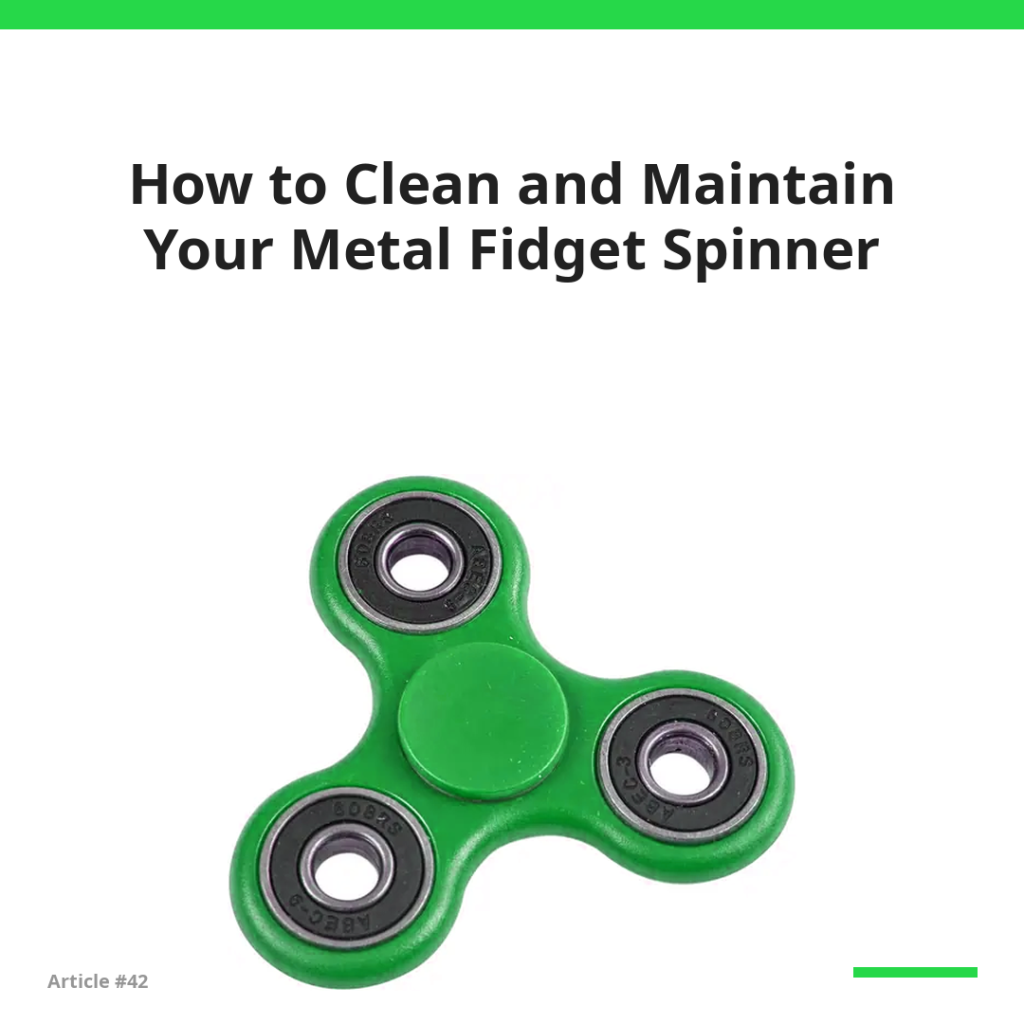
Most metal fidget spinners consist of several key components:
- The spinner body
- The central bearing
- Bearing caps or buttons
- Weighted arms or outer rings
- Optional removable hardware
The bearing is the most sensitive and important component because it directly controls smoothness, spin duration, and noise level. While the metal body itself is generally durable and easy to clean, improper handling of the bearing can reduce performance or cause permanent damage.
Understanding these components helps users clean their Fidget Spinner more safely and effectively.
Why Metal Spinners Need Regular Maintenance
Even premium metal spinners gradually accumulate dirt and residue through everyday use.
Common contaminants include:
- Dust particles
- Pocket lint
- Finger oils
- Sweat and moisture
- Cosmetic residue
- Dirt from surfaces or bags
Over time, these materials enter the bearing system and interfere with smooth rotation.
A poorly maintained spinner may develop:
- Grinding sounds
- Reduced spin time
- Uneven rotation
- Vibration or wobbling
- Sticky feeling during use
Routine maintenance prevents these problems while preserving the refined tactile experience users expect from premium spinners.
Basic Cleaning Supplies You Will Need
Cleaning a metal fidget spinner does not require expensive equipment. Most maintenance tasks can be completed using simple household items.
Common cleaning supplies include:
- Microfiber cloths
- Cotton swabs
- Soft toothbrushes
- Isopropyl alcohol (90% or higher preferred)
- Compressed air
- Warm water
- Mild soap
- Bearing lubricant (optional)
- Toothpicks or small precision tools
Using proper materials helps avoid scratching the spinner or damaging delicate bearing components.
How to Clean the Exterior of a Metal Spinner
The metal body is the easiest part of the spinner to maintain.
Step 1: Remove Surface Dust and Dirt
Begin by wiping the spinner with a dry microfiber cloth to remove loose dust, fingerprints, and debris.
For textured or machined surfaces, a soft toothbrush can help remove dirt trapped in grooves or corners.
This simple step already improves appearance significantly.
Step 2: Use Mild Soap for Deeper Cleaning
If the spinner body feels oily or sticky, lightly dampen a cloth with warm water and mild soap.
Gently wipe the surface while avoiding excessive moisture near the bearing.
Never soak the entire spinner unless the bearing has been removed completely.
After cleaning, dry the spinner thoroughly with a clean microfiber cloth.
Step 3: Polish Metal Surfaces Carefully
Some metals benefit from occasional polishing.
Brass and Copper
Brass and copper naturally develop patina over time. Some users enjoy this aged appearance, while others prefer a polished shine.
Metal polish designed for brass or copper can restore brightness if desired.
However, excessive polishing may gradually remove unique surface character that many enthusiasts appreciate.
Stainless Steel and Titanium
Stainless steel and titanium generally require less polishing because they resist tarnishing naturally.
A microfiber cloth is usually sufficient to restore their appearance.
Cleaning the Bearing Properly
The bearing is the heart of the spinner and requires the most careful attention.
Signs Your Bearing Needs Cleaning
A bearing may require maintenance if you notice:
- Grinding or scratching sounds
- Reduced spin time
- Rough rotation
- Increased vibration
- Resistance during spinning
These symptoms usually indicate dirt or contamination inside the bearing.
Step 1: Remove the Bearing Caps
Most premium spinners feature removable bearing caps that unscrew from the center.
Carefully remove them and place them somewhere safe to avoid losing small components.
Handle the spinner gently during disassembly.
Step 2: Remove the Bearing (If Possible)
Some spinners allow full bearing removal, while others use press-fit systems that are harder to disassemble.
If removable, carefully take out the bearing according to the manufacturer’s instructions.
Avoid forcing components because this may damage the spinner body or bearing housing.
Step 3: Clean the Bearing With Isopropyl Alcohol
Place the bearing in a small container and apply high-percentage isopropyl alcohol.
Spin the bearing gently while submerged to loosen dirt and residue.
Alcohol helps dissolve oils and evaporates quickly without leaving moisture behind.
Many enthusiasts repeat this process several times for heavily contaminated bearings.
Step 4: Dry the Bearing Thoroughly
After cleaning, allow the bearing to dry completely before reinstalling.
Compressed air can help remove remaining alcohol and debris.
Never reinstall a damp bearing because trapped moisture may cause corrosion or performance issues.
Should You Lubricate Spinner Bearings?
Lubrication is one of the most debated topics within the spinner community.
Dry Bearings
Many enthusiasts prefer dry bearings because they provide:
- Faster spinning
- Longer spin times
- Stronger tactile feedback
However, dry bearings may produce more noise and require more frequent cleaning.
Lubricated Bearings
Adding a small amount of lubricant can:
- Reduce noise
- Create smoother rotation
- Improve bearing longevity
- Protect against corrosion
The downside is slightly shorter spin times due to increased resistance.
For everyday users focused on comfort and quietness, light lubrication often provides a better experience.
How to Apply Lubricant Properly
Only use lubricants specifically designed for precision bearings.
Apply a very small amount — excessive lubrication attracts dust and dirt.
After applying lubricant:
- Spin the bearing manually
- Wipe away excess oil
- Test rotation smoothness
Minimal lubrication is usually best.
Maintaining Different Metal Types
Different metals require slightly different maintenance approaches.
Brass Spinners
Brass naturally develops patina over time.
Users can either:
- Preserve the aged appearance
- Polish regularly for shine
Avoid excessive moisture exposure because it accelerates oxidation.
Copper Spinners
Copper requires similar care to brass but oxidizes even more rapidly.
Regular polishing helps maintain its reddish shine if desired.
Aluminum Spinners
Aluminum resists corrosion well and requires minimal maintenance.
Avoid abrasive cleaners that may damage anodized finishes.
Stainless Steel Spinners
Stainless steel is extremely durable and resistant to rust.
Simple wiping and occasional bearing cleaning are usually sufficient.
Titanium Spinners
Titanium combines exceptional durability with low maintenance needs.
It resists corrosion naturally and maintains appearance very well over time.
Preventing Damage During Daily Use
Good habits significantly reduce the need for intensive cleaning.
Avoid Moisture Exposure
Keep spinners away from excessive humidity, rain, or liquids whenever possible.
Moisture is especially harmful to bearings.
Store Spinners Properly
Avoid tossing spinners loosely into bags or pockets with keys and coins.
Protective pouches or dedicated EDC organizers help prevent scratches and dirt accumulation.
Keep Bearings Away From Sand and Dust
Fine particles can quickly damage precision bearings.
Avoid spinning in dirty outdoor environments whenever possible.
Long-Term Maintenance Tips
Maintaining a premium metal spinner over many years requires consistency rather than complexity.
Regular Light Cleaning Is Better Than Rare Deep Cleaning
Wiping the spinner weekly prevents major buildup and reduces long-term wear.
Frequent small maintenance sessions are safer and easier than aggressive cleaning after heavy contamination.
Replace Worn Bearings When Necessary
Even high-quality bearings eventually wear out after years of use.
Fortunately, many premium spinners support replaceable bearings, allowing users to restore like-new performance easily.
Learn Your Spinner’s Specific Design
Different spinner brands use different assembly methods and bearing systems.
Reading manufacturer instructions helps prevent accidental damage during cleaning.
The Emotional Value of Maintaining a Spinner
For many enthusiasts, maintaining a spinner becomes part of the ownership experience itself.
Cleaning and caring for a favorite spinner creates stronger appreciation for:
- Craftsmanship
- Material quality
- precision engineering
- personal routines
- long-term ownership
Over time, a well-maintained spinner develops character and sentimental value that mass-produced disposable products rarely achieve.
Many users describe favorite spinners similarly to cherished watches or pens — everyday tools that become deeply personal over years of use.
Conclusion: Proper Care Preserves Performance and Satisfaction
Metal fidget spinners are designed to provide years of smooth performance, tactile satisfaction, and stress relief — but only when maintained properly. Regular cleaning preserves not only spin quality and quiet operation, but also the visual beauty and long-term durability that make premium spinners worth owning.
Fortunately, maintaining a spinner does not require complicated tools or technical expertise. Simple habits such as wiping surfaces, cleaning bearings carefully, avoiding moisture, and storing spinners properly can dramatically extend their lifespan.
Whether you own a lightweight aluminum spinner, a polished stainless steel model, or a patina-rich brass collectible, proper maintenance ensures your spinner continues feeling smooth, balanced, and enjoyable for years to come.
For enthusiasts and everyday users alike, learning how to clean and maintain a metal fidget spinner is an essential part of appreciating the craftsmanship, engineering, and sensory satisfaction these remarkable tools provide.
