
Post
The Best Fidget Spinner Materials Explained: 8 Premium Options for Performance and Feel
May
Introduction: Why Fidget Spinner Materials Matter
Modern fidget spinners have evolved far beyond simple plastic toys into precision-engineered tools appreciated for their tactile feedback, mechanical performance, ergonomic comfort, and industrial design. Among all the factors that influence the spinner experience, material selection is one of the most important.
The material used in a fidget spinner directly affects:
- weight
- spin stability
- tactile feel
- durability
- acoustics
- appearance
- long-term satisfaction
Different materials create completely different spinning experiences. Some users prefer the dense momentum of brass or tungsten, while others enjoy the lightweight refinement of titanium or the balanced versatility of stainless steel.
For serious enthusiasts and collectors, material choice becomes deeply personal because it shapes how the spinner feels in the hand during everyday use. The spinner community often discusses metals and machining quality with the same passion found in watch collecting, knife culture, and premium everyday carry (EDC) communities.
This guide explains the best fidget spinner materials, including:
- their strengths
- weaknesses
- tactile characteristics
- durability
- maintenance requirements
- ideal use cases
Understanding these differences helps users choose the perfect spinner for stress relief, focus enhancement, office productivity, and long-term enjoyment.
Why Material Choice Changes the Entire Spinner Experience
Two spinners with identical shapes can feel completely different depending on their material composition.
Material affects:
- rotational inertia
- gyroscopic feedback
- grip comfort
- thermal feel
- sound profile
- perceived quality
For example:
- A titanium spinner may feel light and agile
- A brass spinner may feel warm and heavy
- A tungsten spinner may feel incredibly dense and powerful
These differences influence how satisfying the spinner feels during daily use.
Stainless Steel Fidget Spinners
Why Stainless Steel Is So Popular
Stainless steel is one of the most widely used premium spinner materials because it offers an excellent balance of:
- durability
- weight
- corrosion resistance
- affordability
- performance
Many enthusiasts consider stainless steel the ideal all-around spinner material.
Advantages of Stainless Steel
Stainless steel spinners provide:
- balanced momentum
- smooth rotational feel
- strong durability
- moderate weight
- easy maintenance
They are also highly resistant to:
- rust
- corrosion
- everyday wear
This makes stainless steel perfect for daily carry and office use.
Tactile Feel
Stainless steel typically feels:
- cool
- smooth
- solid
- mechanically refined
Its balanced density creates satisfying momentum without becoming excessively heavy.
Brass Fidget Spinners
Why Enthusiasts Love Brass
Brass is highly valued for its:
- warm appearance
- dense feel
- smooth momentum
- unique aging process
Many collectors consider brass one of the most satisfying materials for tactile feedback.
Advantages of Brass
Brass spinners often deliver:
- stronger gyroscopic feedback
- longer spin momentum
- rich tactile sensation
- premium aesthetic character
The heavier weight enhances rotational stability and stress-relief satisfaction.
Patina Development
One unique feature of brass is patina formation.
Over time, brass develops:
- darker coloration
- unique wear patterns
- personalized surface texture
Many enthusiasts enjoy this evolving appearance because it makes every spinner unique.
Copper Fidget Spinners
Dense and Highly Tactile
Copper is similar to brass but often feels:
- denser
- smoother
- warmer in the hand
Copper spinners are popular among users who enjoy heavier tactile experiences.
Advantages of Copper
Copper spinners provide:
- powerful momentum
- excellent balance
- rich acoustic feedback
- distinctive visual appeal
Many users describe copper as one of the most satisfying materials for stress relief.
Maintenance Requirements
Copper oxidizes relatively quickly and develops visible patina.
Some enthusiasts love this evolving appearance, while others regularly polish their spinners to maintain shine.
Titanium Fidget Spinners
Lightweight Premium Performance
Titanium is widely respected in the EDC community because it combines:
- strength
- low weight
- corrosion resistance
- premium aesthetics
Titanium spinners feel very different from brass or copper models.
Advantages of Titanium
Titanium spinners offer:
- lightweight comfort
- smooth handling
- excellent durability
- premium appearance
They are especially popular for pocket carry because they reduce daily carry weight.
Tactile Characteristics
Titanium typically feels:
- crisp
- refined
- agile
- precise
Although lighter than brass or tungsten, titanium still feels premium due to its machining quality and smooth balance.
Tungsten Fidget Spinners
Maximum Density and Momentum
Tungsten is one of the densest materials used in high-end spinners.
Tungsten spinners are famous for:
- extreme heft
- exceptional momentum
- intense gyroscopic feedback
- luxurious feel
Many enthusiasts consider tungsten the ultimate premium spinner material.
Advantages of Tungsten
Tungsten provides:
- extremely stable rotation
- very long momentum retention
- powerful tactile sensation
- premium mechanical feel
The dense weight creates a uniquely immersive spinning experience.
Potential Drawbacks
Tungsten spinners are often:
- expensive
- heavy for pockets
- less beginner-friendly
However, experienced collectors frequently love their unmatched tactile presence.
Aluminum Fidget Spinners
Lightweight and Affordable
Aluminum is commonly used in:
- entry-level spinners
- portable designs
- colorful anodized models
Although less premium-feeling than heavier metals, aluminum still offers practical advantages.
Advantages of Aluminum
Aluminum spinners are:
- lightweight
- affordable
- easy to carry
- corrosion-resistant
They are especially suitable for beginners or casual users.
Limitations
Compared to denser metals, aluminum typically provides:
- weaker momentum
- less gyroscopic feedback
- shorter spin satisfaction
Some enthusiasts eventually upgrade to heavier materials for improved tactile performance.
Zirconium Fidget Spinners
Rare and Exotic Appeal
Zirconium is considered an exotic premium material in the spinner community.
It is known for:
- dark finish
- smooth texture
- corrosion resistance
- unique thermal feel
Advantages of Zirconium
Zirconium spinners often feel:
- silky
- refined
- elegant
- mechanically sophisticated
They are especially prized by collectors seeking rare materials.
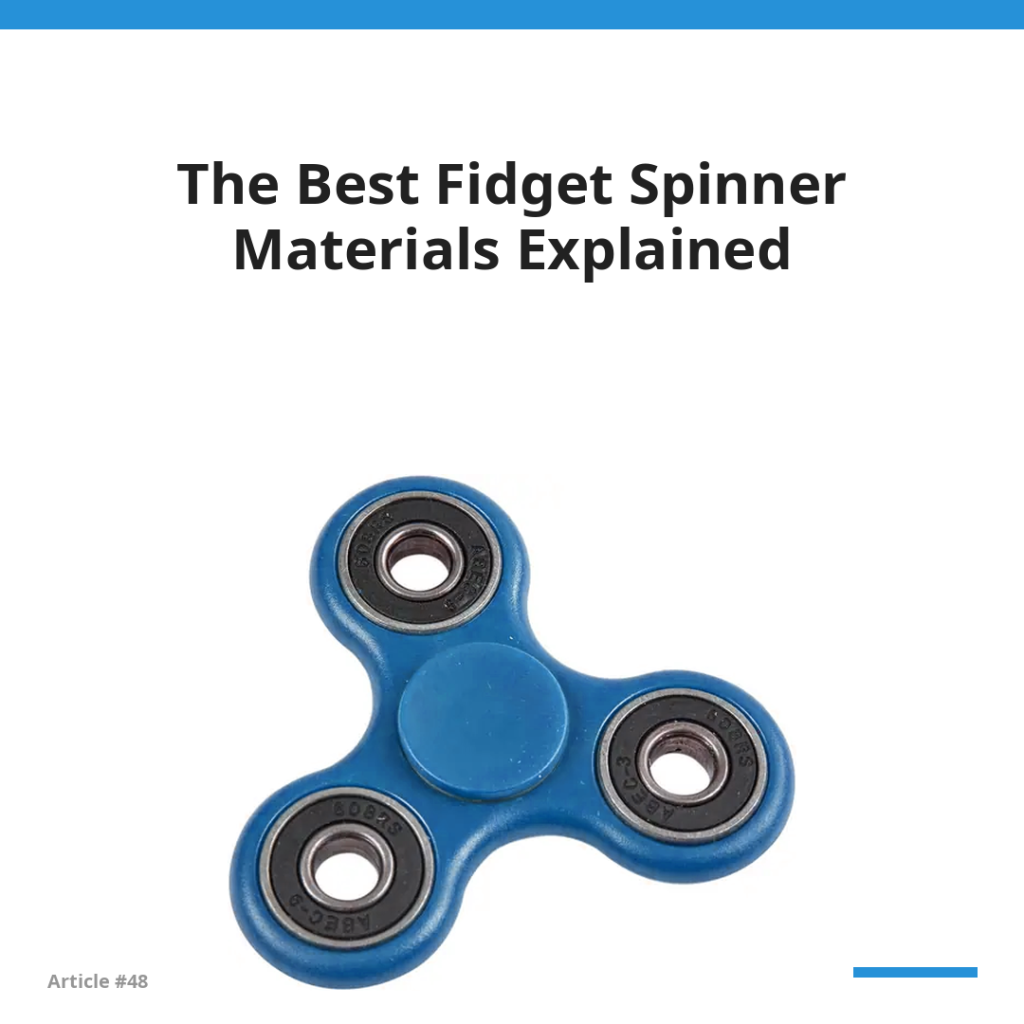
Plastic Fidget Spinners
The Original Mainstream Option
Plastic spinners helped popularize the entire hobby because they were:
- inexpensive
- lightweight
- accessible
However, most enthusiasts eventually transition to metal designs.
Advantages of Plastic
Plastic spinners remain useful because they are:
- affordable
- lightweight
- colorful
- beginner-friendly
They are also quieter in some environments.
Limitations
Compared to premium metals, plastic typically lacks:
- momentum
- tactile depth
- durability
- mechanical refinement
For serious enthusiasts, metal spinners generally provide far greater long-term satisfaction.
Material Weight and Spin Performance
Heavier materials generally improve:
- rotational inertia
- spin stability
- gyroscopic feedback
- tactile immersion
However, heavier is not always better.
The ideal material depends on:
- carry preferences
- ergonomic comfort
- workplace use
- spinning style
Some users prefer lightweight agility, while others prefer dense momentum.
Acoustic Differences Between Materials
Different materials create distinct sound signatures during spinning.
Stainless Steel
- balanced mechanical sound
- refined bearing feedback
Brass
- warm acoustic tone
- softer rotational hum
Titanium
- crisp and clean sound profile
Tungsten
- deep dense rotational feel
Acoustic personality contributes heavily to overall spinner satisfaction.
Everyday Carry (EDC) and Material Choice
Spinner materials strongly influence EDC usability.
Best for Pocket Carry
- Titanium
- Aluminum
Best for Desk Use
- Brass
- Copper
- Tungsten
Best All-Around Option
- Stainless steel
Many enthusiasts own multiple spinners for different environments and moods.
Why Premium Materials Cost More
High-end spinner materials increase manufacturing difficulty and production costs.
Premium materials require:
- advanced machining
- tighter balancing tolerances
- higher-quality finishing
- specialized tooling
The result is significantly improved:
- smoothness
- durability
- tactile quality
- long-term reliability
Choosing the Best Spinner Material for You
The best material depends on personal preference.
Choose Stainless Steel If You Want:
- balance
- durability
- versatility
Choose Brass or Copper If You Want:
- warmth
- momentum
- patina character
Choose Titanium If You Want:
- lightweight comfort
- EDC portability
- premium refinement
Choose Tungsten If You Want:
- maximum density
- extreme momentum
- collector-level satisfaction
Conclusion
Fidget spinner materials dramatically influence performance, ergonomics, acoustics, durability, and tactile satisfaction. From the balanced versatility of stainless steel to the dense momentum of tungsten and the warm personality of brass and copper, each material creates a distinct spinning experience tailored to different preferences and lifestyles.
Understanding these material differences helps users make informed decisions when selecting a spinner for productivity, stress relief, focus enhancement, or everyday carry. As the premium spinner community continues evolving, material craftsmanship remains one of the defining elements that separates ordinary spinners from truly satisfying long-term mechanical companions.
