
Post
Fidget Spinners: 7 Powerful Scientific Reasons They Help Relieve Stress
May
 Introduction: Why Stress Relief Matters More Than Ever
 Introduction: Why Stress Relief Matters More Than Ever
Modern life places enormous demands on attention, emotional balance, and mental performance. Constant notifications, tight deadlines, long work hours, and digital overload have created environments where stress and mental fatigue affect millions of people every day. As a result, individuals are increasingly searching for simple and effective tools that help improve focus, reduce anxiety, and support emotional well-being.
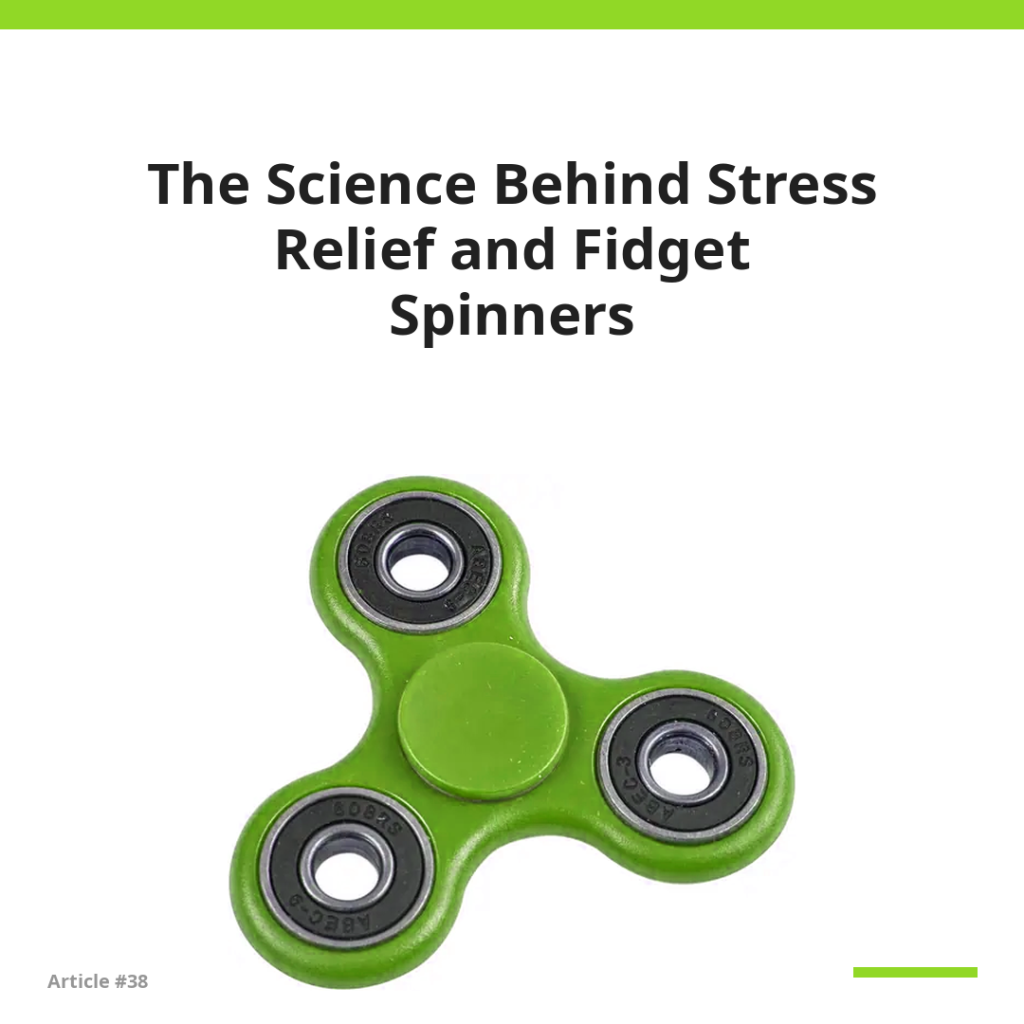
One tool that has gained significant popularity in recent years is the fidget spinner. Originally viewed as a novelty toy, the modern premium fidget spinner has evolved into a recognized tactile focus device used by professionals, students, creatives, and everyday users worldwide. Today’s high-end spinners combine precision engineering, ergonomic design, and sensory stimulation to create calming mechanical experiences that many users incorporate into daily routines.
The growing popularity of fidget spinners is not simply based on trends or internet culture. There are real psychological and neurological principles that help explain why repetitive tactile movement can positively influence stress levels, attention, and emotional regulation.
This article explores the science behind stress relief and fidget spinners, including:
- How tactile stimulation affects the brain
- Why repetitive motion feels calming
- The neurological role of sensory engagement
- The psychology of focus tools
- How premium spinner design enhances relaxation
Understanding these scientific principles helps explain why so many people continue using fidget spinners as practical tools for workplace performance, concentration, and stress management.
What Happens in the Brain During Stress?
Stress is a natural biological response designed to help humans react to challenges and threats.
When stress occurs, the body activates the sympathetic nervous system, often called the “fight or flight” response. This process increases:
- Heart rate
- Muscle tension
- Mental alertness
- Cortisol production
- Adrenaline release
While short-term stress can improve performance temporarily, chronic stress often leads to:
- Mental fatigue
- Anxiety
- Reduced concentration
- Emotional exhaustion
- Cognitive overload
Modern workplaces and digital lifestyles frequently keep the brain in a prolonged state of stimulation, making stress management increasingly important.
This is where tactile tools like fidget spinners may provide meaningful support.
Why Repetitive Motion Feels Calming
One of the most important scientific concepts behind fidget spinner stress relief is repetitive sensory motion.
Humans naturally respond positively to rhythmic and predictable movement.
Examples include:
- Rocking chairs
- Repetitive tapping
- Walking rhythms
- Deep breathing patterns
- Hand movements
Repetitive movement creates a sense of:
- Predictability
- Control
- Sensory consistency
- Cognitive stability
Spinning a fidget spinner provides continuous rhythmic motion that many users find soothing and mentally regulating.
This repetitive sensory input may help calm excessive mental activity during stressful situations.
Tactile Stimulation and the Nervous System
Touch plays a major role in emotional regulation.
The human nervous system constantly processes tactile information from:
- Hands
- Fingers
- Skin receptors
- Pressure sensors
When using a fidget spinner, the brain receives controlled sensory stimulation through:
- Finger contact
- Rotational feedback
- Vibration patterns
- Mechanical resistance
- Motion tracking
This tactile engagement can help redirect attention away from stressful thoughts and toward physical sensory experience.
Many users describe this as:
- Grounding
- Calming
- Mentally stabilizing
- Relaxing
because tactile focus reduces cognitive overload.
How Fidget Spinners Help Attention Regulation
The brain does not always function best under complete sensory stillness.
For some individuals, low-level stimulation improves:
- Concentration
- Mental engagement
- Attention control
- Cognitive endurance
This helps explain why many people:
- tap pens
- shake legs
- click objects
- doodle during meetings
These behaviors often occur naturally as the brain seeks additional stimulation.
Fidget spinners provide controlled sensory engagement that may help regulate attention more effectively than random nervous habits.
The spinning motion gives restless energy a focused outlet without heavily distracting the mind from primary tasks.
Dopamine and Sensory Satisfaction
Dopamine is a neurotransmitter associated with:
- Reward
- Motivation
- Satisfaction
- Pleasure
- Behavioral reinforcement
Smooth mechanical interaction can trigger small dopamine responses in the brain.
Premium fidget spinners often create highly satisfying sensory experiences through:
- Smooth bearings
- Stable momentum
- Balanced weight
- Quiet acoustics
- Precision machining
These subtle moments of tactile satisfaction may contribute to:
- Improved mood
- Reduced stress perception
- Greater emotional comfort
during work or study sessions.
Why Precision Engineering Enhances Relaxation
The quality of the spinner significantly affects the stress-relief experience.
Cheap or poorly balanced spinners may create:
- Noise
- Vibration
- Mechanical resistance
- Uneven rotation
These issues can reduce relaxation and create sensory irritation.
Premium spinners use:
- Precision bearings
- Ergonomic design
- Balanced construction
- High-quality metals
to create smoother tactile experiences.
The brain generally responds more positively to:
- Consistency
- Smoothness
- Predictable movement
- Mechanical stability
which explains why premium spinners often feel more calming and satisfying.
The Role of Mindfulness and Present-Moment Awareness
Many stress-management techniques focus on bringing attention into the present moment.
Fidget spinners naturally encourage this process through sensory awareness.
While spinning, users often become more aware of:
- Motion
- Touch
- Sound
- Momentum
- Physical sensation
This sensory focus can interrupt:
- anxious thought loops
- overthinking
- mental rumination
- emotional spiraling
creating temporary mental relief.
Some users even describe spinner use as mildly meditative because repetitive motion encourages calm, repetitive sensory focus.
Stress Relief Through Controlled Movement
The body often stores stress physically through:
- muscle tension
- restless movement
- nervous habits
- physical discomfort
Fidget spinners provide a structured outlet for this physical energy.
Instead of:
- nail biting
- desk tapping
- skin picking
- excessive phone checking
users channel movement into controlled tactile interaction.
This controlled movement may help improve:
- emotional regulation
- self-awareness
- behavioral control
- workplace comfort
especially during high-pressure situations.
Why Quiet Mechanical Sounds Feel Relaxing
Many premium spinners produce subtle acoustic feedback.
Soft spinning sounds often create:
- sensory consistency
- rhythmic auditory input
- calming environmental feedback
Humans frequently associate repetitive soft sounds with relaxation, similar to:
- rain
- fans
- mechanical ticking
- white noise
Silent or low-noise bearings enhance this effect by avoiding harsh or irritating sound frequencies.
This acoustic component contributes to the overall calming experience.
Fidget Spinners and Workplace Stress Management
Modern workplaces often overload the brain with:
- notifications
- multitasking
- meetings
- deadlines
- screen exposure
Short spinner sessions can provide micro-breaks that help reduce accumulated stress throughout the day.
These brief moments of tactile engagement may help:
- reset focus
- lower tension
- reduce overstimulation
- restore concentration
without significantly interrupting workflow.
This explains why many professionals use spinners during:
- office work
- studying
- remote meetings
- creative sessions
- problem-solving tasks
The Psychology of Predictable Sensory Feedback
The human brain generally prefers predictable sensory experiences.
Smooth fidget spinners create highly consistent feedback through:
- repetitive motion
- rotational stability
- mechanical precision
This predictability may help calm the nervous system because the brain does not need to constantly process unexpected stimuli.
In stressful environments filled with uncertainty and information overload, predictable tactile feedback can feel psychologically comforting.
Why Material Choice Affects Stress Relief
Different materials create different sensory experiences.
Brass
- Warm tactile feel
- Strong rotational momentum
- Rich mechanical feedback
Stainless Steel
- Balanced weight
- Smooth handling
- Clean tactile response
Titanium
- Lightweight comfort
- Soft acoustic behavior
- Reduced fatigue
Copper
- Dense sensory feel
- Distinctive tactile texture
These material differences influence:
- hand comfort
- emotional preference
- tactile satisfaction
- overall relaxation quality
Personal sensory preference plays a major role in stress-relief effectiveness.
Scientific Limitations and Individual Differences
It is important to recognize that fidget spinners are not medical devices or universal solutions.
Stress relief responses vary significantly between individuals.
Some users experience:
- improved focus
- emotional calmness
- sensory satisfaction
while others may find little effect.
Factors influencing effectiveness include:
- personality
- sensory preference
- environment
- stress levels
- spinner quality
However, many users consistently report positive experiences with tactile focus tools in professional and educational settings.
The Future of Tactile Wellness Tools
As awareness of mental wellness continues growing, tactile productivity tools are becoming increasingly mainstream.
Modern consumers are seeking:
- analog experiences
- screen-free relaxation
- sensory regulation
- stress management tools
Premium fidget spinners fit naturally into this trend because they combine:
- portability
- simplicity
- mechanical beauty
- calming interaction
Future innovation will likely continue focusing on:
- ergonomic improvements
- silent bearings
- advanced materials
- enhanced tactile feedback
to optimize sensory comfort and workplace usability.
Conclusion
The science behind stress relief and fidget spinners is rooted in tactile stimulation, repetitive motion, sensory regulation, and neurological attention management. By providing smooth, controlled sensory engagement, fidget spinners may help reduce stress, improve focus, and support emotional balance during demanding daily routines.
Their calming effects come from a combination of:
- rhythmic movement
- predictable sensory feedback
- tactile grounding
- subtle dopamine stimulation
- controlled physical interaction
Premium spinner engineering further enhances these benefits through smoother bearings, ergonomic design, balanced weight distribution, and refined mechanical precision.
In a world increasingly dominated by digital overload and mental fatigue, fidget spinners offer something surprisingly valuable: a simple, physical, and calming sensory experience that helps many users reconnect with focus, relaxation, and present-moment awareness.
