
Post
How Fidget Spinners Help Improve Focus and Concentration
May
Introduction: Why Focus Matters More Than Ever
Modern life is filled with constant distractions. Smartphones buzz endlessly, social media competes for attention every minute, and multitasking has become the norm in schools, workplaces, and daily routines. In this environment, maintaining focus and concentration for extended periods has become increasingly difficult for many people. As attention spans shrink and stress levels rise, individuals continue searching for practical tools that help them remain calm, productive, and mentally engaged.
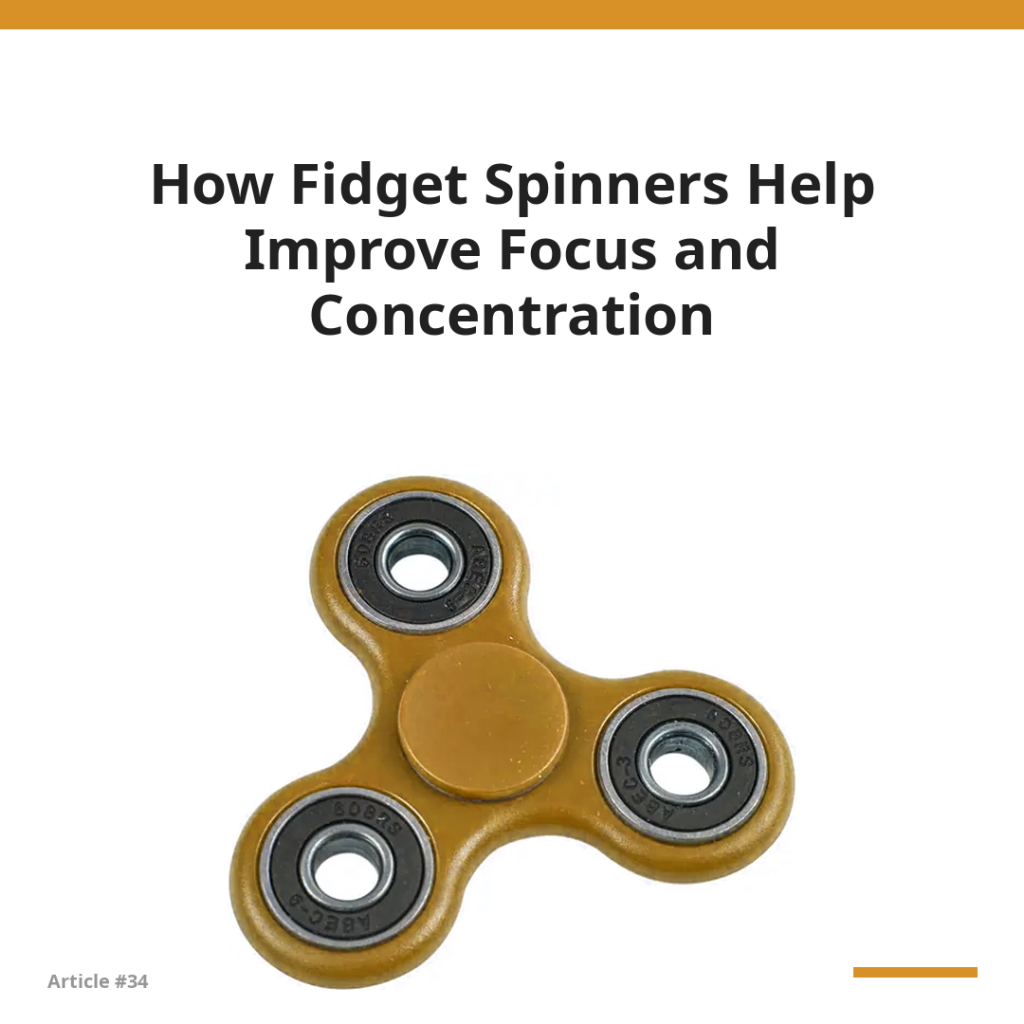
One surprisingly effective tool that has gained worldwide popularity is the fidget spinner. Although many people initially viewed fidget spinners as simple toys or temporary trends, growing numbers of students, office workers, creators, and professionals now recognize their genuine benefits for focus, concentration, and stress management.
A quality fidget spinner provides more than entertainment. It offers sensory stimulation, calming repetitive motion, and tactile feedback that can help the brain maintain attention during demanding tasks. Whether used while studying, working, brainstorming, or relaxing, fidget spinners have become valuable productivity tools for individuals seeking better mental clarity and sustained concentration throughout the day.
This article explores in detail how fidget spinners help improve focus and concentration, why they work psychologically, and how users can maximize their benefits for long-term productivity and well-being.
Understanding Why Humans Need Sensory Stimulation
To understand how fidget spinners improve concentration, it is important to recognize how the human brain naturally functions. Many people unconsciously fidget while thinking or focusing. Tapping fingers, clicking pens, shaking legs, doodling, or adjusting objects are all forms of self-regulating behavior.
These small physical movements often help the brain remain alert and engaged. Instead of being distractions themselves, controlled repetitive motions can actually support cognitive performance by providing mild sensory stimulation.
Fidget spinners work by channeling this natural instinct into a controlled, calming activity. The smooth spinning motion gives the hands something to do while the mind remains focused on more important mental tasks.
For many individuals, especially those who struggle with restlessness or wandering attention, this sensory input creates a stabilizing effect that reduces mental overload and improves concentration levels.
The Psychological Science Behind Fidget Spinners
The effectiveness of fidget spinners is connected to several psychological and neurological principles. While research on fidget tools continues evolving, many experts agree that repetitive motion and tactile stimulation can positively influence attention regulation.
Reducing Excess Mental Energy
Some people struggle to focus because their brains constantly seek additional stimulation. This is especially common in highly active thinkers, creative individuals, and people working in overstimulating environments.
A fidget spinner absorbs a portion of this restless energy through physical interaction. By giving the hands a repetitive task, the brain becomes less likely to search for unrelated distractions.
Instead of opening social media, checking notifications, or losing concentration, users can maintain focus while subtly engaging with the spinner.
Creating a Calming Repetitive Rhythm
Repetition naturally calms the nervous system. Activities such as walking, knitting, stress-ball squeezing, or rhythmic breathing create predictable sensory patterns that help reduce anxiety and mental tension.
Fidget spinners operate similarly. The smooth rotation creates visual and tactile consistency that many users find relaxing. This calming effect can reduce stress levels, making it easier to concentrate on important work or study sessions.
For students preparing for exams or professionals handling demanding projects, lowering stress directly improves cognitive efficiency and decision-making abilities.
Supporting Attention Regulation
Attention is not always about eliminating movement completely. For many individuals, especially those with attention challenges, controlled movement actually improves mental performance.
Using a fidget spinner can help regulate attention by preventing under-stimulation. When the brain receives small amounts of sensory input through spinning, it may become easier to maintain focus on lectures, meetings, reading tasks, or creative work.
This explains why many people report concentrating better while lightly spinning rather than sitting completely still.
How Fidget Spinners Improve Productivity in Daily Life
The benefits of fidget spinners extend across many environments and professions. Different users discover unique ways these tools enhance their productivity and concentration.
Students and Academic Performance
Students often face long study sessions, information overload, and constant digital distractions. Fidget spinners can help students maintain engagement during reading, note-taking, or listening to lectures.
Many students report that spinning helps reduce nervous habits during exams or presentations. Instead of becoming overwhelmed by anxiety, the repetitive motion creates a calming anchor that improves mental control.
Some learners also use spinners during memorization exercises because the rhythmic movement helps sustain attention for longer periods.
Office and Professional Environments
Office workers frequently experience mental fatigue from prolonged computer use, meetings, and repetitive tasks. Fidget spinners provide small mental breaks without fully interrupting workflow.
Unlike checking a phone or browsing the internet, spinning requires minimal cognitive attention. Users can continue thinking, listening, or brainstorming while subtly using the spinner.
Professionals working in creative industries often describe fidget spinners as brainstorming tools that help maintain mental flow during idea generation and problem-solving sessions.
Creative Work and Deep Thinking
Artists, writers, designers, programmers, and creators often benefit from repetitive physical movement while thinking deeply. The spinner acts as a companion activity that keeps the hands occupied while the brain processes information.
Creative work frequently involves periods of mental searching or abstract thinking. During these moments, spinning can help maintain focus without disrupting creative momentum.
Some users even associate specific spinners with productivity routines, creating psychological cues that signal the brain to enter a focused working state.
Stress Reduction and Emotional Regulation
One of the most important ways fidget spinners improve concentration is indirectly through stress reduction.
Stress and anxiety severely impact cognitive performance. When the brain feels overwhelmed, concentration weakens, memory retention decreases, and productivity suffers.
Fidget spinners help many users manage emotional tension by providing:
- Repetitive calming movement
- Tactile sensory feedback
- A grounding physical object
- Reduced nervous energy
- Relaxation during high-pressure situations
This emotional regulation supports better mental clarity and sustained attention.
For individuals working under pressure, small calming tools can make a surprisingly significant difference in daily performance and comfort.
Why Quality Matters for Focus Enhancement
Not all fidget spinners provide the same experience. Spinner quality dramatically affects how useful the device becomes for concentration and relaxation.
Smooth Bearings Create Better Focus
High-quality bearings produce smoother and quieter spins. Rough or noisy spinners can become distracting instead of calming.
Premium bearings allow users to spin effortlessly without interruptions, supporting a more relaxing sensory experience.
Weight and Balance Improve Satisfaction
Metal spinners often outperform plastic models because their balanced weight creates smoother momentum and better tactile feedback.
A poorly balanced spinner may wobble or vibrate excessively, reducing comfort during extended use.
Well-designed metal spinners provide stable rotation that feels satisfying and calming in the hand.
Quiet Operation Matters
Quiet spinners are especially important in classrooms, libraries, and offices. Loud clicking or rattling can distract both the user and people nearby.
High-quality metal spinners with precision engineering operate almost silently, making them far more suitable for professional and academic environments.
Developing Healthy Spinner Habits
While fidget spinners can improve concentration, mindful usage is important for maximizing benefits.
Use Spinners as Support Tools
Fidget spinners work best as supplementary focus tools rather than primary distractions. The goal is to support concentration, not replace productive behavior.
Using the spinner passively while reading, thinking, or listening is usually more effective than focusing entirely on tricks or visual spinning.
Pair Spinners With Productivity Routines
Many users develop routines that combine spinning with work sessions, studying, or meditation practices.
For example:
- Spin during brainstorming
- Use during online lectures
- Spin while reading difficult material
- Use during stressful meetings
- Pair with breathing exercises
These routines help train the brain to associate spinning with calm focus and productivity.
Avoid Overstimulation
Although fidget spinners help many people concentrate, excessive spinning or constant visual attention may become distracting for some users.
The key is balance. Subtle, controlled use generally provides the greatest benefits.
The Growing Community Around Focus Tools
The fidget spinner community has evolved into a global network of enthusiasts who appreciate craftsmanship, sensory tools, and productivity enhancement.
Online communities allow users to:
- Share spinner recommendations
- Discuss focus techniques
- Compare materials and bearings
- Review premium designs
- Explore stress-management strategies
This shared passion continues driving innovation in spinner engineering and design quality.
Many collectors enjoy experimenting with different spinner weights, materials, and shapes to discover what works best for their individual focus needs.
Long-Term Benefits of Consistent Use
Over time, many users report deeper appreciation for their fidget spinners and stronger understanding of how these tools fit into their daily lives.
Consistent use may contribute to:
- Better focus habits
- Reduced stress responses
- Improved emotional regulation
- Increased work consistency
- Enhanced concentration during repetitive tasks
For some individuals, the spinner becomes part of a broader self-care or productivity system that supports mental well-being and daily structure.
High-quality spinners also develop emotional value over time. A favorite spinner often becomes a familiar object associated with comfort, routine, and productivity.
Conclusion: More Than Just a Toy
Fidget spinners have evolved far beyond their original reputation as simple novelty items. For many students, professionals, creatives, and enthusiasts, they now serve as practical tools that support concentration, stress management, and mental clarity.
By providing calming sensory stimulation, repetitive motion, and tactile engagement, fidget spinners help users maintain focus in an increasingly distracting world. They channel restless energy into controlled movement, allowing the brain to remain engaged with important tasks more effectively.
The benefits become even greater when users invest in high-quality spinners designed for smooth, quiet, and balanced performance. Premium materials, precision engineering, and thoughtful usage habits transform the spinner experience into something genuinely valuable for productivity and well-being.
Whether used during study sessions, creative projects, office work, or moments of stress, fidget spinners continue proving that small tools can have a meaningful impact on focus, concentration, and everyday mental performance.
