
Post
How to Clean and Maintain Your Fidget Spinner for Maximum Performance
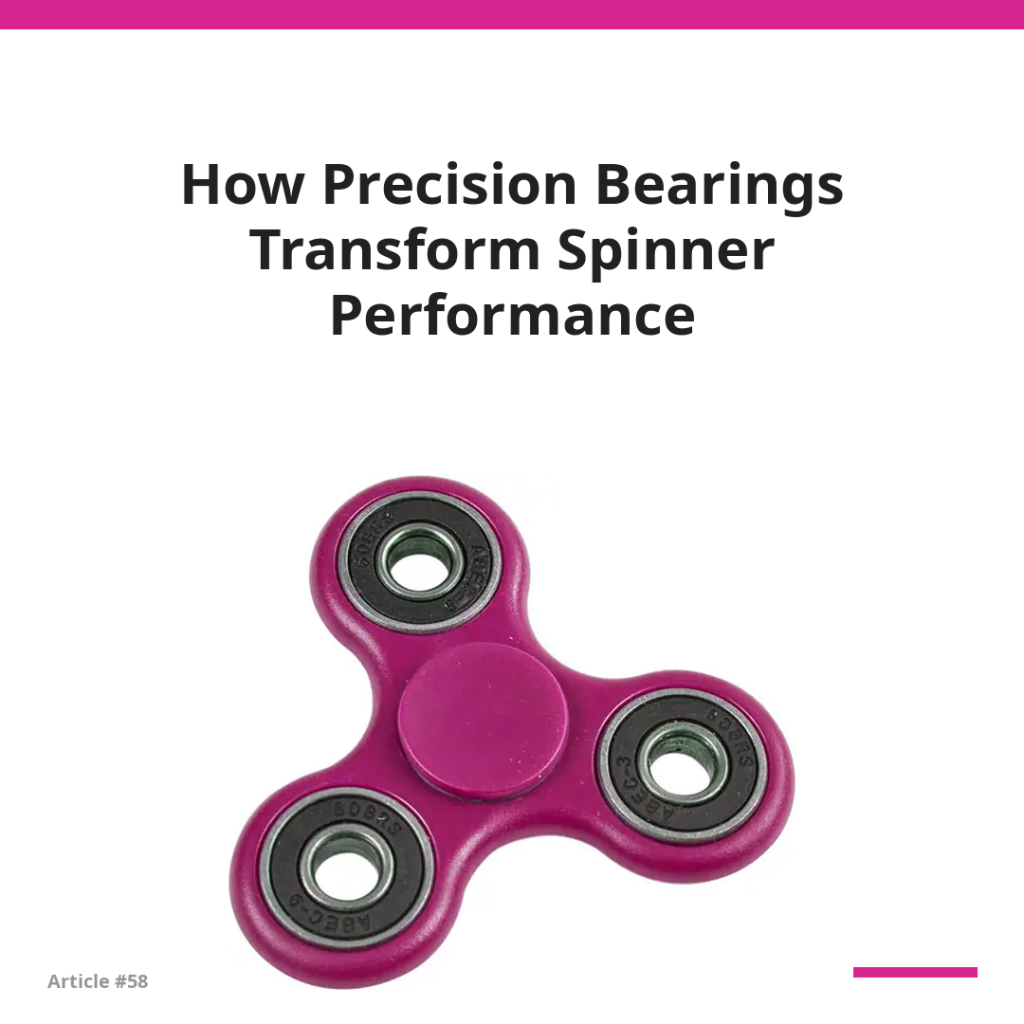
Jun
A fidget spinner is a mechanical device, and like all mechanical devices, it requires regular maintenance to perform at its best. Over time, dust, dirt, and debris can accumulate in the bearing and on the spinner body, reducing spin time, increasing noise, and making the overall spinning experience less satisfying. With proper cleaning and maintenance, however, you can keep your spinner performing like new for years to come. In this guide, we will walk you through everything you need to know about cleaning and maintaining your fidget spinner. How to Clean and Maintain Your Fidget Spinner for Maximum Performance

Why Maintenance Matters How to Clean and Maintain Your Fidget Spinner for Maximum Performance
The bearing is the heart of your fidget spinner, and its condition directly determines how well the spinner performs. A clean, well-lubricated bearing will spin smoothly and quietly for several minutes on a single flick. A dirty or worn bearing will spin noisily, vibrate unpleasantly, and lose momentum quickly. Regular maintenance not only improves performance but also extends the life of your spinner significantly. How to Clean and Maintain Your Fidget Spinner for Maximum Performance
In addition to the bearing, the body of the spinner can accumulate grime and fingerprints over time, which can affect its appearance and, in some cases, the comfort of holding it. Regular cleaning keeps your spinner looking and feeling its best. How to Clean and Maintain Your Fidget Spinner for Maximum Performance
Tools You Will Need How to Clean and Maintain Your Fidget Spinner for Maximum Performance
Before you begin cleaning your spinner, gather the necessary tools and materials. You will need a clean, lint-free cloth or microfiber towel for wiping down the body of the spinner. For cleaning the bearing, you will need a small container, a bearing cleaning solvent such as isopropyl alcohol at ninety percent concentration or higher, or a dedicated bearing cleaner, a pin or small tool for removing the bearing caps if your spinner has removable ones, and bearing lubricant or oil for re-lubricating after cleaning. How to Clean and Maintain Your Fidget Spinner for Maximum Performance
Optional but useful items include compressed air for blowing out loose debris, cotton swabs for cleaning hard-to-reach areas, and a small brush for brushing away surface dirt. How to Clean and Maintain Your Fidget Spinner for Maximum Performance
Step One: Disassemble the Spinner How to Clean and Maintain Your Fidget Spinner for Maximum Performance
Begin by carefully disassembling your spinner. For most standard spinners, this involves removing the bearing caps, which are the small circular caps on either side of the central bearing. These are usually held in place by friction or a slight press fit and can be removed by gently prying them off with a pin, a small flathead screwdriver, or even a fingernail.
Once the caps are off, the bearing itself can usually be removed by pressing it out from one side. Be careful not to force any parts, as this could damage the spinner. Work slowly and gently, and the bearing should come free without too much effort.
Set the caps and any other small parts aside in a safe place where they will not be lost. A small dish or bowl is useful for keeping these parts together.
Step Two: Clean the Body of the Spinner
With the bearing removed, you can clean the body of the spinner. Wipe down all surfaces with a clean, dry cloth to remove fingerprints, surface dirt, and loose debris. For more stubborn grime or buildup, you can dampen the cloth slightly with isopropyl alcohol and use it to gently scrub the affected areas. Avoid using water, as this can cause metal spinners to rust and can damage plastic spinners over time.
Pay particular attention to the bearing seat, which is the hole in the center of the spinner where the bearing sits. This area can accumulate dirt that transfers to the bearing during use. Use a cotton swab lightly dampened with alcohol to clean out this area thoroughly.
Step Three: Clean the Bearing
Cleaning the bearing is the most important and most delicate part of the maintenance process. Remove any rubber shields from the bearing if it has them. Rubber-shielded bearings are the most common type found in consumer spinners, and the shields can be carefully removed using a pin or needle to pry them out from one side.
Place the bearing in a small container and add enough cleaning solvent to fully submerge it. Isopropyl alcohol is an excellent cleaning solvent for bearings as it dissolves oils and grease effectively and evaporates quickly without leaving residue. Gently agitate the bearing in the solvent by swirling the container or using a pin to spin the bearing within the liquid. You can also carefully hold the bearing and spin it in the solvent to help dislodge internal debris.
Allow the bearing to soak for several minutes, then remove it and allow it to dry completely. You can accelerate drying by blowing compressed air through the bearing or by spinning it rapidly to fling out any remaining solvent. Make sure the bearing is completely dry before proceeding to the next step.
Step Four: Re-Lubricate the Bearing
Once the bearing is clean and dry, it is time to re-lubricate it. Apply a single small drop of bearing lubricant to the bearing, then spin it to distribute the lubricant evenly. It is important to use the right type of lubricant. Thick greases are not suitable for spinner bearings as they create too much resistance and dramatically reduce spin time. Instead, use a thin, low-viscosity bearing oil such as those sold specifically for fidget spinners or skateboard bearings.
Less is more when it comes to bearing lubricant. A single small drop is sufficient. Too much lubricant will actually reduce spin time and cause the bearing to attract more dirt over time.
Step Five: Reassemble and Test
Once the bearing is lubricated, reassemble your spinner. Press the bearing back into the spinner body, then replace the bearing caps, pressing them firmly in place until they are flush and secure. Spin the reassembled spinner to test its performance. If the maintenance has been done correctly, you should notice a significant improvement in spin time, smoothness, and noise compared to before the cleaning.
If the spinner still does not perform well after cleaning, the bearing may be worn and in need of replacement. Replacement bearings are widely available and relatively inexpensive, and swapping out a worn bearing can breathe new life into an older spinner.
How Often Should You Clean Your Spinner?
The frequency of cleaning depends on how often you use your spinner and the environment in which you use it. A spinner used daily in a clean indoor environment may only need cleaning every few weeks, while one used heavily in a dusty or outdoor environment may benefit from more frequent maintenance. A good rule of thumb is to clean your spinner whenever you notice a decrease in spin time or smoothness.
Storage Tips for Maintaining Your Spinner
Proper storage can significantly reduce how often your spinner needs cleaning. Store your spinner in a clean, dry location away from dust and moisture when not in use. A small pouch or case is ideal for keeping the spinner protected. Avoid leaving your spinner in humid environments, such as near a sink or in a gym bag, as moisture can cause corrosion in metal spinners and damage bearings.
With regular cleaning and proper care, a quality fidget spinner can provide years of satisfying performance. Our store offers a full range of bearing cleaning supplies, lubricants, and replacement bearings to help you keep your spinner at peak performance. Browse our maintenance accessories today and give your spinner the care it deserves.
