
Post
The History of Fidget Spinners: From Patent to Phenomenon
Jun
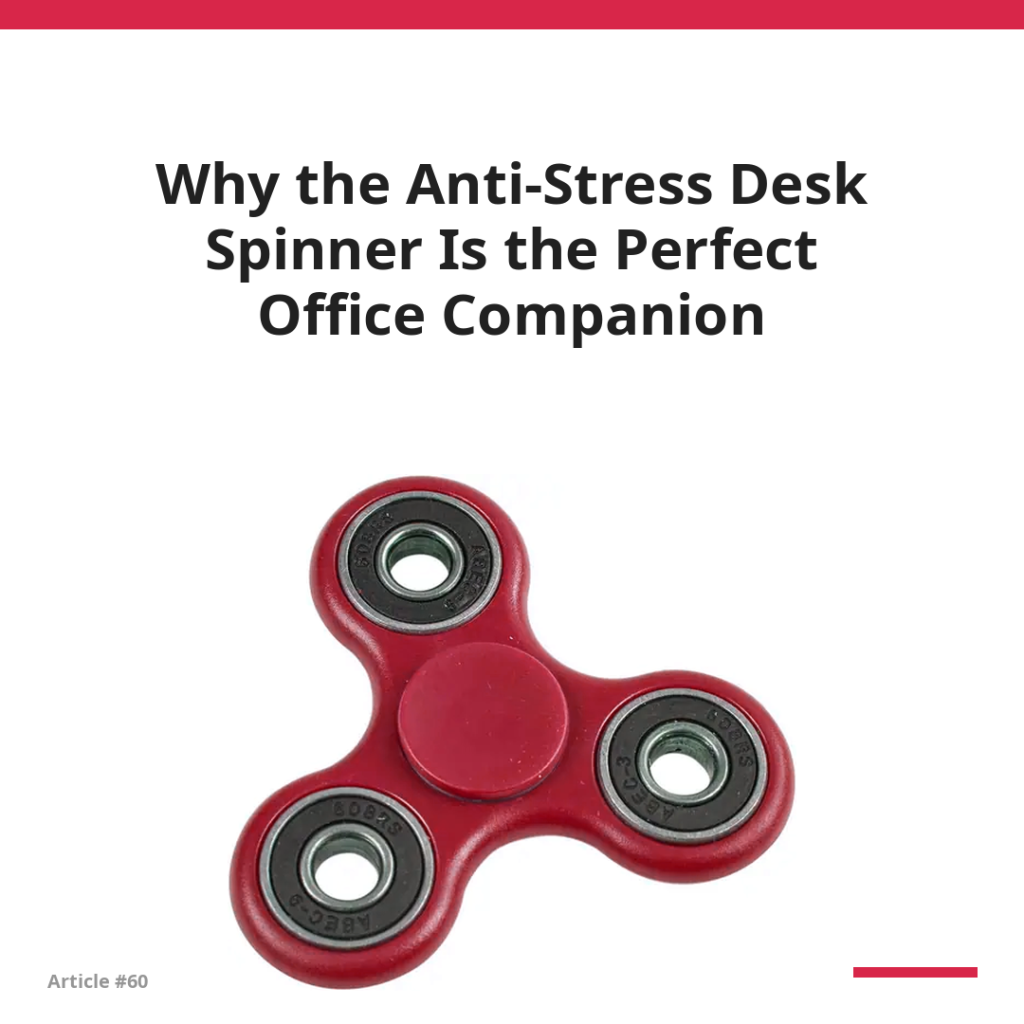
The story of the fidget spinner is a fascinating journey from a niche therapeutic tool to a global phenomenon that dominated playgrounds, offices, and social media feeds for a period. Understanding the history of this simple yet captivating device helps us appreciate why it captured the world’s imagination and what makes it an enduring product in the stress relief and toy markets. The History of Fidget Spinners
The Origins: Catherine Hettinger’s Patent The History of Fidget Spinners
The story of the fidget spinner is most often traced back to Catherine Hettinger, an American inventor who filed a patent for a spinning toy in 1993. Hettinger, who suffered from myasthenia gravis, a muscle weakness condition, reportedly came up with the idea for a spinning toy while playing with her daughter. She wanted to create a toy that was gentle enough for her to use despite her physical limitations while also being fun and engaging for children. The History of Fidget Spinners
Hettinger’s original design was a fairly simple spinning toy that shared some characteristics with what we now know as the fidget spinner. She attempted to sell her invention to major toy companies, including Hasbro, but was unable to secure a deal. Unable to afford the maintenance fees required to keep the patent active, Hettinger allowed it to expire in 2005, which meant that the design entered the public domain. The History of Fidget Spinners
While Hettinger’s story is compelling and widely shared, it is worth noting that the specific design of the modern tri-lobed bearing spinner is somewhat different from her original patent. The modern fidget spinner as we know it evolved through the contributions of multiple inventors and manufacturers before reaching its current form. The History of Fidget Spinners
The Rise of the Modern Fidget Spinner The History of Fidget Spinners
The modern fidget spinner began gaining traction in specialist communities around 2014 and 2015. Initially popular among people interested in sensory tools, anxiety management, and ADHD aids, the spinner was championed by therapists and parents who found it helpful for children and adults who needed a physical outlet for restless energy. The History of Fidget Spinners
During this early period, spinners were primarily sold through small online retailers and specialist therapy supply stores. They were modest in design, mostly made from plastic or aluminum, and came in a limited range of colors and styles. Their appeal was largely functional rather than fashionable. The History of Fidget Spinners
The 2017 Explosion The History of Fidget Spinners
Everything changed in late 2016 and early 2017, when fidget spinners suddenly became a massive mainstream trend. The exact catalyst for this explosion is difficult to pinpoint, but a combination of factors contributed to the phenomenon. Videos of people performing impressive tricks with spinners began spreading across social media platforms, generating enormous curiosity and desire among viewers. The History of Fidget Spinners
By the spring of 2017, fidget spinners had become the must-have toy of the moment, particularly among school-age children. Every toy store, convenience store, and online retailer was stocking them. Manufacturers scrambled to keep up with demand, and the market quickly filled with thousands of different designs, materials, and price points, ranging from sub-dollar mass-produced plastic versions to hundred-dollar precision-engineered metal collectors items. The History of Fidget Spinners
The media frenzy that surrounded spinners in 2017 was remarkable. Every major newspaper, television program, and online publication seemed to be running stories about the spinner phenomenon, whether covering its potential benefits for attention and anxiety or debating whether it was a distraction in classrooms. Schools around the world grappled with how to handle the spinner craze, with many banning them outright while others embraced them as legitimate focus tools.
The Decline and Leveling Off
As with many viral trends, the peak of the fidget spinner craze was relatively short-lived. By mid-2017, the initial frenzy had begun to die down, and by late 2017, spinners had largely faded from the headlines. Toy industry analysts tracked a dramatic drop in sales from the peak, and many of the hastily produced low-quality spinners that had flooded the market disappeared from shelves.
However, it would be a mistake to conclude that the fidget spinner simply went away. What actually happened was a leveling off to a stable baseline of sustained popularity. The core audience of people who genuinely found spinners helpful for stress relief, focus, and sensory needs continued to use and buy them. Collectors and enthusiasts who had developed a genuine passion for high-quality spinners maintained an active and engaged community. And new generations of children continued to discover spinners and enjoy them as a fun toy.
The Enduring Appeal
The fidget spinner’s lasting appeal lies in its simplicity and its genuine utility. Unlike many viral toy trends that are purely novelty-driven and have no intrinsic value beyond their initial novelty, the fidget spinner offers real benefits. Its stress-relieving properties, its usefulness for people with ADHD and anxiety, and its appeal as a collectible item all give it legs that purely novelty-based toys lack.
Today, the fidget spinner market has matured considerably. The days of cheap, poorly made plastic spinners dominating the market have largely given way to a more discerning customer base that values quality, performance, and design. Specialty spinner manufacturers produce exquisitely engineered metal spinners from premium materials like titanium, copper, and brass, with precision bearings that deliver extraordinary spin times and smoothness.
The spinner community remains vibrant and creative, with enthusiasts continually pushing the boundaries of design, material, and performance. New designs, trick techniques, and modifications emerge regularly, keeping the hobby fresh and engaging for dedicated fans.
Looking Forward
The fidget spinner’s journey from obscure patent to global phenomenon and back to steady niche product is a fascinating case study in toy trends, viral culture, and the enduring appeal of simple, well-designed objects. While it may never again dominate the cultural conversation the way it did in spring 2017, the fidget spinner has earned its place as a genuine and lasting product in the stress relief and hobby toy markets.
Whether you are a longtime spinner enthusiast, someone who is just discovering spinners for the first time, or a parent looking for a sensory tool for your child, the rich history of the fidget spinner adds an extra dimension of appreciation to this remarkable little toy. Browse our collection to find your perfect spinner and become part of the ongoing story of this iconic device.
